How Beauty Brands Actually Decide What to Charge You
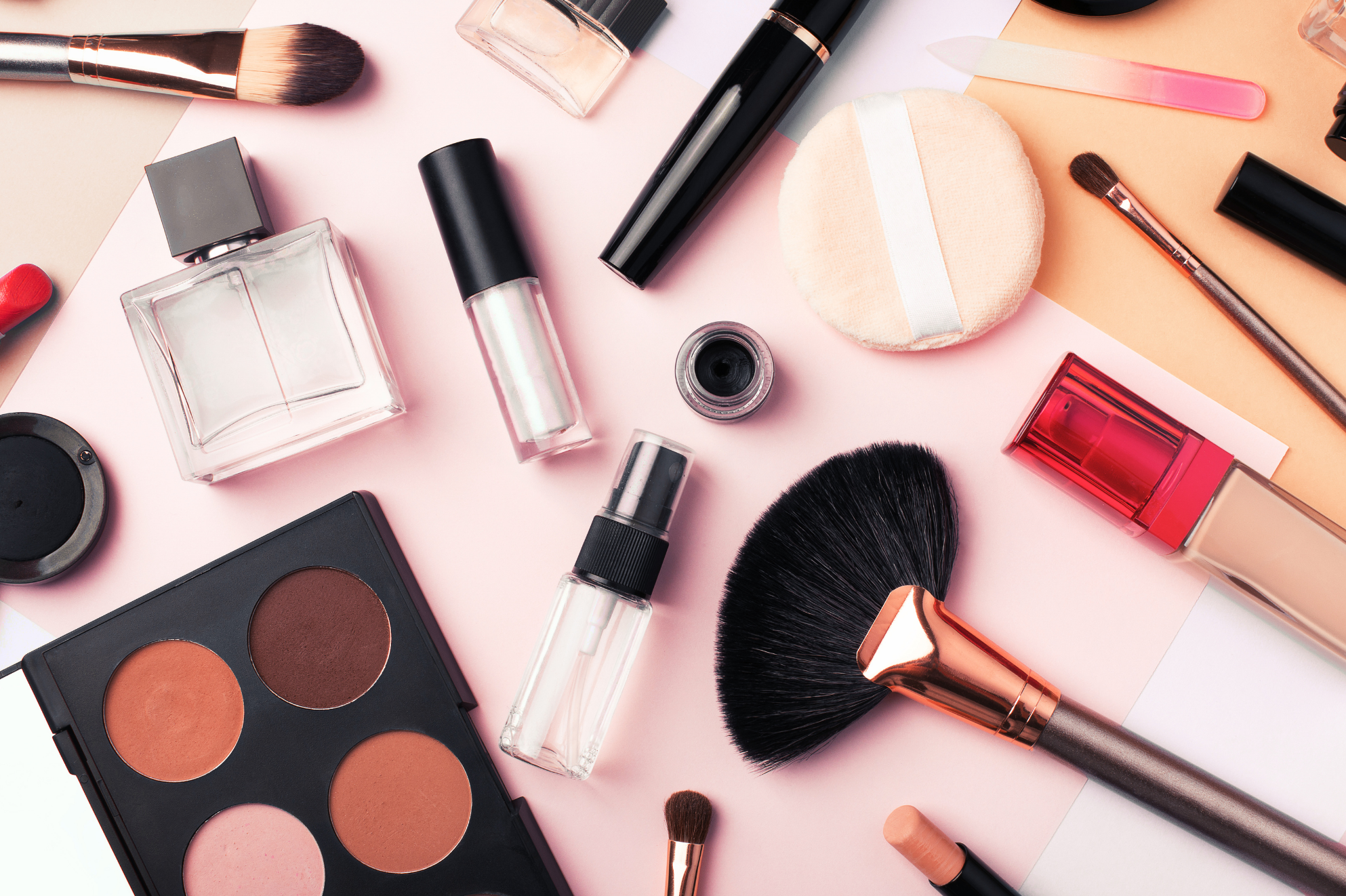
A €10 blush and a €50 blush can have almost identical ingredients. Here's what's actually behind the price difference.
You pick up two blushes. One is €12. One is €48. They are both pink powder in a compact. You assume the €48 one must be better – better formula, better ingredients, better somehow.
Sometimes that is true. Often it is not. And the difference between the two prices has less to do with what is inside the compact than you might think.
Here is how beauty pricing actually works.
It starts with the formula – but not in the way you'd expect
Every product has a cost of goods. The raw materials, the manufacturing, the filling, the testing. For most mass-market makeup, this cost is surprisingly low – often somewhere between 10% and 20% of the retail price.
That means a €40 blush might cost €4 to €8 to physically make.
That is not because the brands are cutting corners. It is because cosmetic formulas – pigments, binders, preservatives – are not expensive raw materials. A powder blush is compressed pigment. The formula itself rarely justifies a 5x price difference between two products.
Packaging is where the price jumps
This is the one people consistently underestimate.
A heavy glass compact costs more to produce than a plastic one. An embossed metal pan costs more than a plain one. A weighted click-close lid costs more than a simple snap. And brands at the luxury end of the market spend significantly on packaging – sometimes more than on the formula inside it.
When you pay €50 for a luxury blush, a meaningful portion of that is the object you are holding. The weight of it. The engraving. The mirror. The velvet interior.
That is not a cynical thing. Some people buy beauty products partly for the experience of using them. But it is useful to know what you are actually paying for.
Then comes the brand
Brand positioning is a pricing decision made before the product even exists.
A brand that sells at Sephora, runs campaigns with celebrities, and has a flagship store in Paris has costs that a direct-to-consumer brand selling through its own website does not. Those costs – the retail margin, the marketing spend, the real estate – get built into the price of every product.
This is why two blushes with similar formulas can sit at completely different price points. One is sold through a department store with a 40-50% retail margin. The other is sold direct. The formula did not change. The distribution model did.
Retailer margin is a real number
When a brand sells through a retailer – Sephora, Douglas, Boots – the retailer takes a cut. The exact cut varies by retailer, brand tier, and contract, but retail margins in beauty are significant. A meaningful portion of what you pay at the counter goes to the store, not the brand.
That means a product retailing at €40 returns significantly less than €40 to the brand. The brand then has to cover its own costs – the formula, the packaging, the marketing, the team – out of that amount.
This is why direct-to-consumer brands can sometimes offer more product for less money. They keep more of the retail price. The margin that would go to the retailer stays in the brand – or gets passed on to you as a lower price.
What "prestige" adds to the price
There is a segment of beauty pricing that is purely psychological. Prestige positioning, the belief that something is luxury, allows brands to charge more even when the physical product does not justify it.
This is not manipulation exactly. Perceived value is real value for a lot of consumers. A product that makes you feel like you are treating yourself has worth beyond its ingredients.
But it is worth knowing that the prestige premium is a real and deliberate pricing strategy. Brands that want to be perceived as luxury will price at luxury levels, not because the formula demands it, but because the positioning requires it.
So what does this mean when you're shopping?
A higher price does not mean a better formula. It often means better packaging, a more expensive distribution channel, or a stronger brand investment in positioning.
None of those things are bad. But they are different from what is actually on your skin.
Price per ounce is one way to cut through some of this. It does not tell you about formula quality. Nothing will replace reading the ingredient list for that. But it does tell you how much product you are actually getting for your money, which is more than the shelf price alone will ever show you.